Supporting skin through change
Supporting skin through change.
One of the most common things I hear from women is:
"My skin has completely changed and I don't know what it needs anymore."
During perimenopause and menopause, it is not uncommon for skin to suddenly feel different.
Skin that once felt balanced may become dry, sensitive or uncomfortable. Products that worked beautifully for years may no longer seem quite right. At the same time, some women find themselves dealing with breakouts they haven't experienced since their teenage years.
And it isn't just the skin on our face that changes.
For many women, body skin can begin to feel drier, itchier and less comfortable too.
The good news is that these changes are common and, once you understand what is happening, there are simple ways to support your skin through this stage of life.
Why does skin change during menopause?
Hormones play an important role in maintaining healthy skin.
As oestrogen levels begin to fluctuate and gradually decline during perimenopause and menopause, the skin naturally produces less oil and retains less moisture.
Over time, this can leave the skin feeling:
Drier
Less supple
More sensitive
More reactive
More prone to irritation
If you recognise your own skin in this, you are certainly not alone. Many women also notice that their skin seems slower to recover and that changes in weather, stress or skincare products affect them more than they once did.
Why am I getting breakouts during menopause?
One of the most frustrating experiences for many women is developing breakouts at the same time as their skin becomes drier.
It seems contradictory, but it is incredibly common.
Hormonal fluctuations can influence oil production within the skin, particularly around the lower face. As a result, many women notice congestion or breakouts around the chin, jawline and lower cheeks.
Stress and disrupted sleep can also contribute.
The instinct is often to reach for harsh cleansers or aggressive spot treatments, but these can sometimes leave already compromised skin feeling even drier and more sensitive.
Your skin can change all over.
While we often focus on changes in the face, the skin on the body can be affected too. Many women describe dry, itchy legs, tightness after showering, rough patches on the arms or body, or skin that never seems fully moisturised no matter how often they apply lotion.
These changes occur for many of the same reasons as facial dryness. As the skin produces less oil and loses moisture more easily, it can become less comfortable and more prone to dryness.
If you've ever found yourself awake at night with itchy legs or constantly reaching for body cream, you're certainly not alone.
How to support skin through menopause:
While skin may be changing, it doesn't mean it needs complicated routines or harsh products.
In fact, many women find that simplifying their skincare can be one of the most helpful things they do.
Simple changes can make a real difference: cleansing gently, avoiding overly stripping products, supporting the skin barrier, choosing nourishing oils and balms, applying body care consistently and protecting the skin from too much sun.
Most importantly, consistency often matters more than complexity.
The products I reach for:
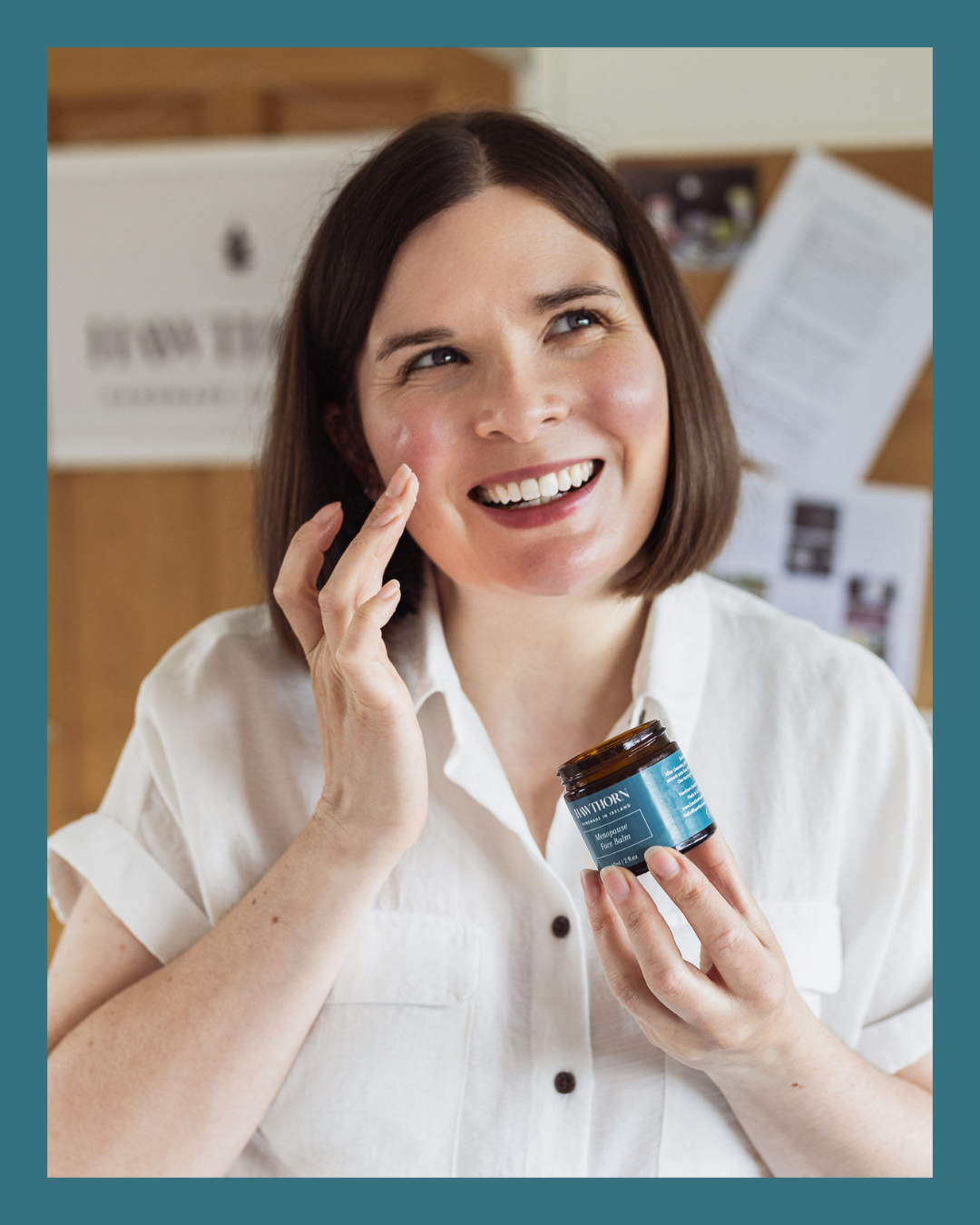
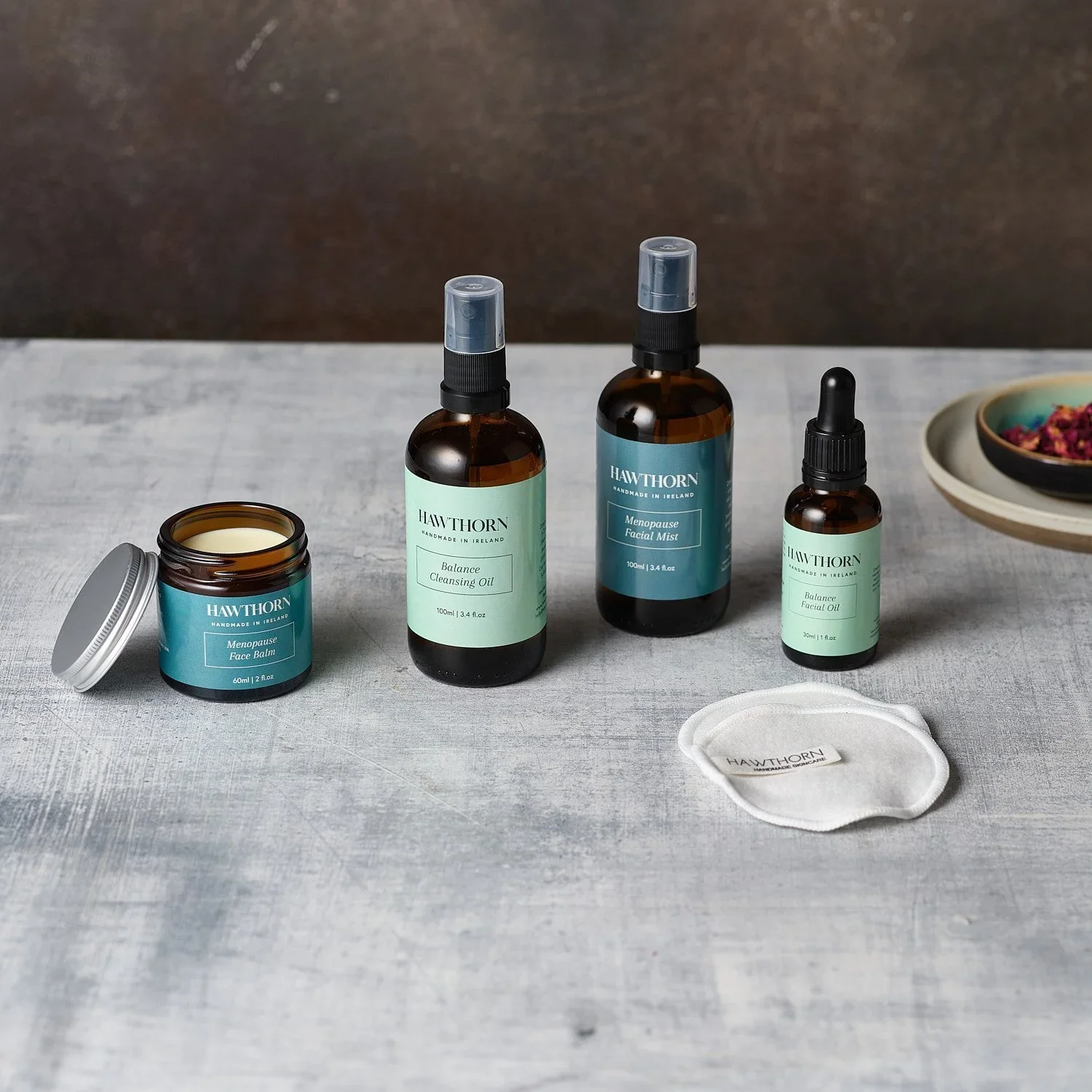
For facial skin, I formulated our Menopause Range to help support skin that no longer feels quite like itself.
The range includes our Menopause Facial Mist, Menopause Facial Oil and Menopause Face Balm, each designed to help nourish and support dry, changing skin using carefully selected botanical ingredients.
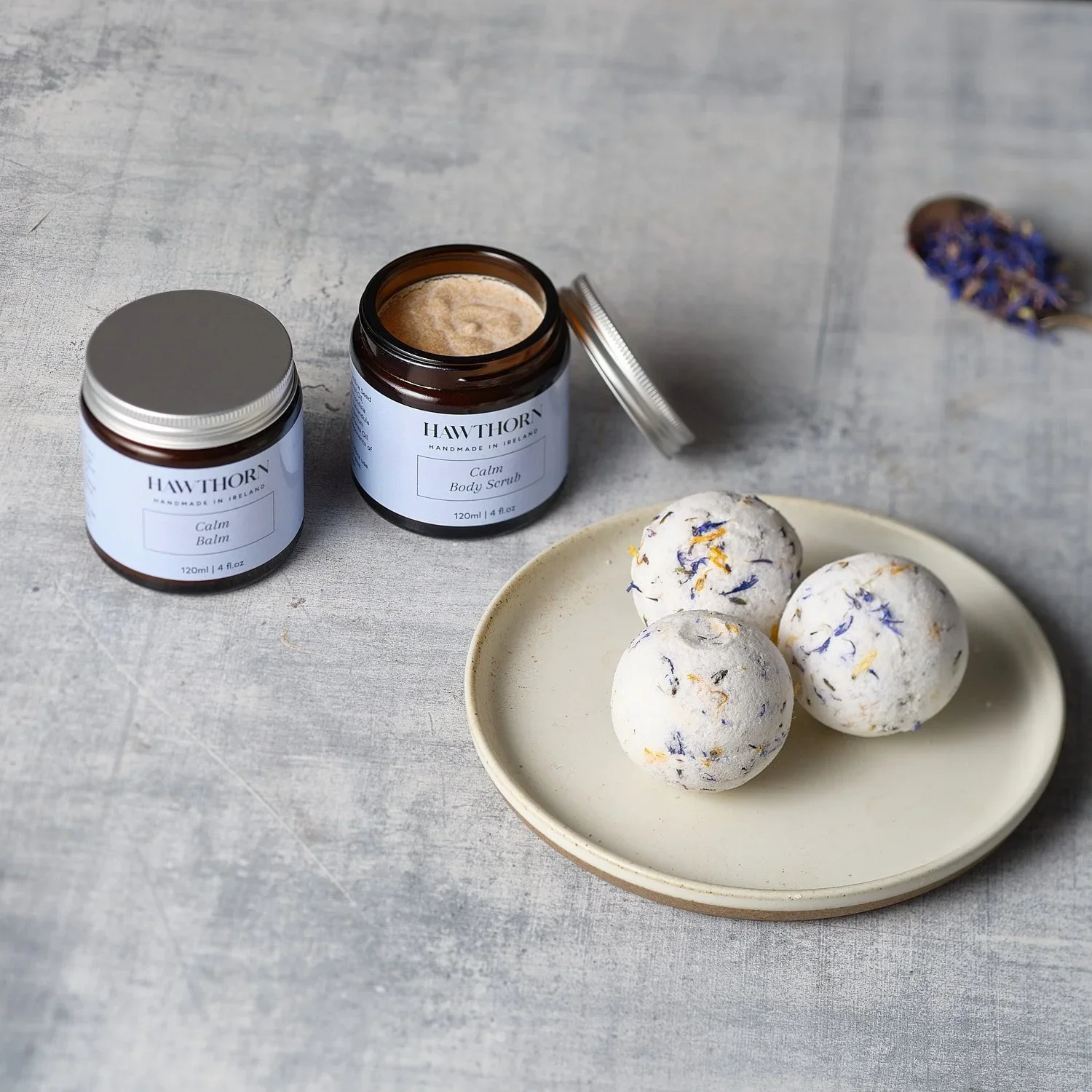
For body skin, our Calm Collection was created to help comfort and nourish dry, depleted skin.
The Calm Body Scrub gently exfoliates while helping soften rough, dry areas, while the Calm Body Balm provides rich nourishment for skin that feels tight, uncomfortable or in need of extra care.
A final thought…
If your skin suddenly feels different to the skin you've known for years, know that you are not imagining it and you are certainly not alone.
Your skin is not failing. It is changing, and it deserves care that supports it through every stage of that change.
Menopause Range
Calm Range
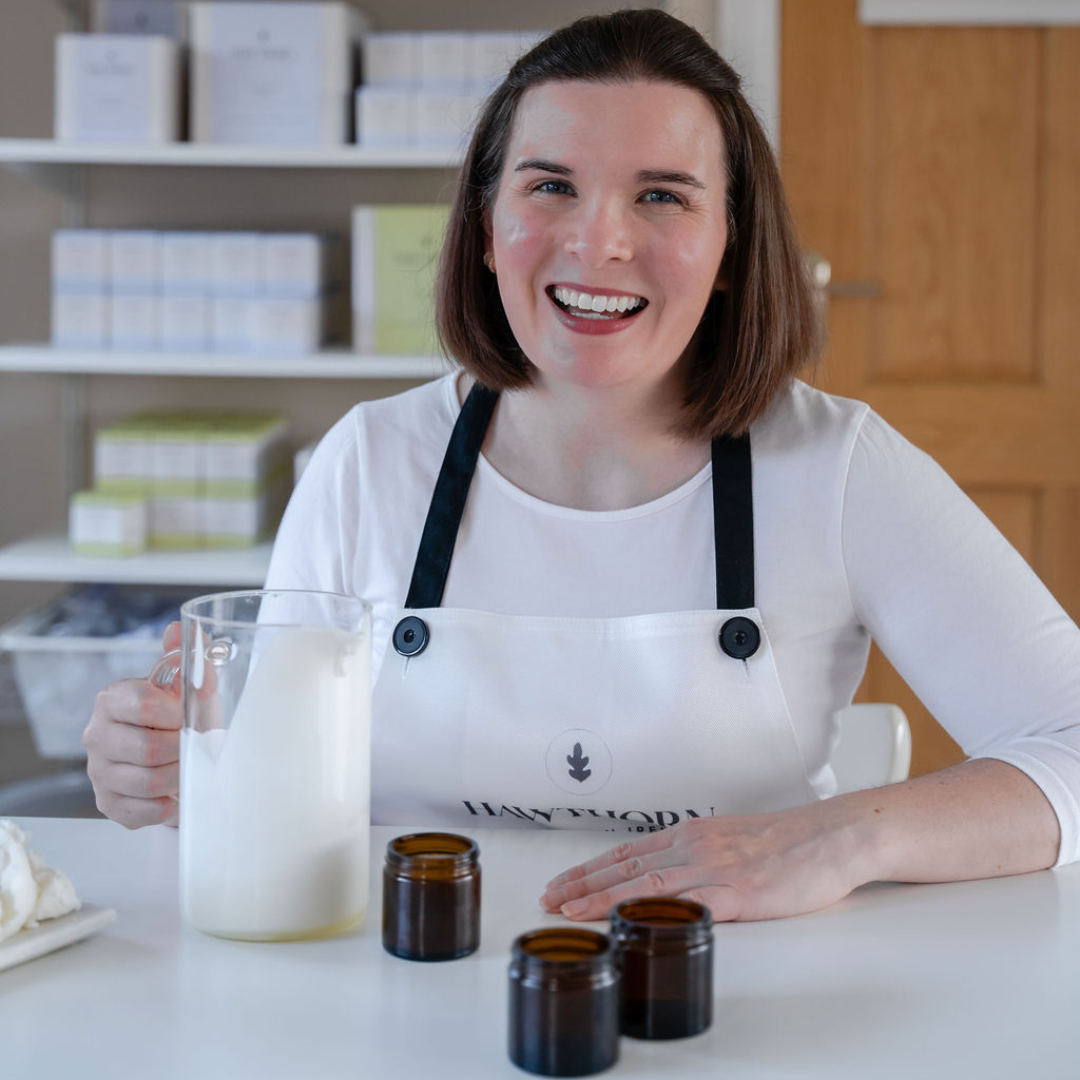
With love & gratitude,
Elaine - the Maker